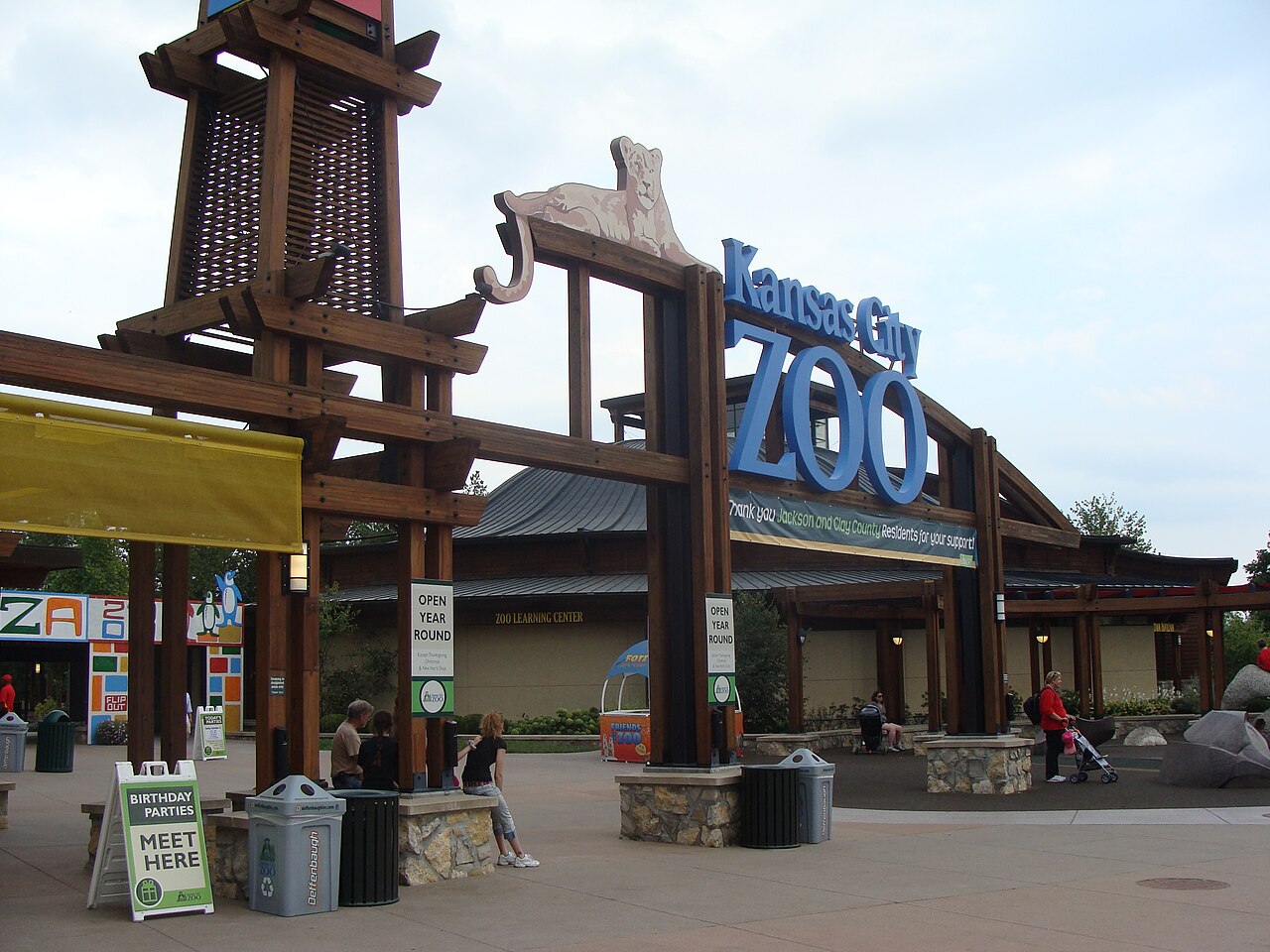
Kansas City Zoo: A Century of Wild Wonders and Pioneering Conservation
Nestled within the sprawling Swope Park in Kansas City, Missouri, the Kansas City Zoo & Aquarium stands as a testament to over a century of dedication to wildlife, education, and innovation. What began as a modest collection of animals in 1909 has blossomed into a world-class zoological park and aquarium spanning 202 acres, home to nearly 10,000 animals representing over 400 species from every corner of the globe. As an accredited member of the Association of Zoos and Aquariums (AZA), the Kansas City Zoo & Aquarium is not just a beloved regional attraction but a vital center for conservation and scientific advancement, welcoming over a million visitors annually.
From Humble Beginnings: The Early Evolution of the Kansas City Zoo & Aquarium
The journey of the Kansas City Zoo & Aquarium began long before its gates officially opened. Planning commenced in 1907, driven by a vision to bring the wonders of the animal kingdom to the heartland. On December 13, 1909, that vision became a reality, though the initial zoo was a far cry from its modern grandeur. Starting with a small collection of animals, including lions and monkeys, it occupied approximately 60 acres and gradually began its slow but steady growth.
The first four decades saw gradual but significant additions that laid the groundwork for future expansion. The iconic Bear Grotto, a fixture for generations of visitors, was added in 1912. This early period also saw the zoo embrace a measure of self-sufficiency, notably through on-site animal food production – a forward-thinking approach for the time. By the 1940s, the zoo gained considerable momentum with the introduction of a lively Monkey Island and the engaging Children's Zoo (now known as Touchtown), an interactive space designed to foster a love for animals in younger generations. These early additions reflected a growing understanding of visitor engagement and the importance of diverse exhibits.
The post-war era ushered in a period of accelerated growth. The 1950s brought exciting new features like the Sea Lion Pool, the expansive African Veldt, a dedicated giraffe house, and vibrant flamingo exhibits. This trend continued into the 1960s with the addition of an otter pool, a robust elephant house, and the impressive Great Ape House, showcasing some of the zoo's most charismatic residents. The early 1970s further diversified the collection with a charming dairy barn, the Great Catwalk, and innovative gibbon islands, continually enhancing the visitor experience and the welfare of its animal inhabitants.
A New Era of Expansion: Immersive Habitats and Record Attendance
A pivotal moment in the history of the Kansas City Zoo & Aquarium arrived in the early 1990s. Following a community vote and securing crucial grant funding, the zoo embarked on a dramatic expansion that would reshape its landscape. In 1991, its footprint nearly quadrupled to the current 202 acres (82 hectares), paving the way for groundbreaking, immersive exhibits that transported visitors to far-flung corners of the globe. The new additions were unveiled in quick succession: Australia in 1993, the International Festival in 1994, and most notably, the vast Africa section in 1995.
The opening of the Africa section was a monumental success, drawing an astonishing 40,000 visitors in just its first two days. This overwhelming response underscored the public's excitement for the zoo's new direction – a move towards larger, more naturalistic habitats that better reflected the animals' native environments. This period of innovation wasn't limited to animal exhibits. The zoo also made history by building a new facility to house the first IMAX theater ever incorporated into a zoo, the Sprint IMAX Theater. The combination of world-class exhibits and cutting-edge entertainment led to unprecedented visitor numbers, with a record attendance of 700,000 zoo guests and 400,000 IMAX visitors in 1998.
This remarkable growth from a small facility on 60 acres to a sprawling 202-acre park with a diverse array of animals marked a significant transformation for the Kansas City Zoo & Aquarium, firmly establishing it as a major player in the zoological world.
The Dawn of a Public-Private Partnership and Modern Innovation
Another transformative shift occurred in 2002 when the Kansas City Zoo & Aquarium transitioned from a city-operated organization to a public-private partnership with the non-profit Friends of the Zoo (FOTZ). This strategic move marked the beginning of a new era, allowing for greater flexibility, increased fundraising capabilities, and a renewed focus on long-term strategic planning. Under this new management, the zoo saw substantial investments, exceeding $85 million since 2007, propelling further enhancements and modernizations.
The FOTZ partnership immediately ushered in a period of rapid development and strategic foresight, encapsulated in a comprehensive 20-year master plan. The Orangutan Primadome, a state-of-the-art habitat designed for these intelligent great apes, opened in 2002. Further improvements followed: the Discovery Barn (formerly the Red Barn) opened in 2006, offering interactive exhibits and slides for children, along with an engaging Peek-a-Boo Tree. The same year, the Promenade was added, a wide path significantly shortening the journey for guests to the expansive African elephant exhibit. This focus on visitor experience was coupled with a strong commitment to conservation; in 2006, the Kansas City Zoo & Aquarium was selected to become a crucial breeding facility for African elephants and baboons, contributing directly to species survival plans.
Innovation continued with the addition of an endangered species carousel in KidZone in 2007, blending education with fun. While the Sprint IMAX Theater closed in September 2007, the focus shifted to enhancing the core zoo experience. May 2008 saw the opening of spectacular new admission gates, featuring an educational center and fascinating exhibits for North American river otters and trumpeter swans, setting a welcoming and informative tone from the moment visitors arrive. In early 2009, the Tropics House opened behind the Sea Lion pavilion within the historic 1909 Building, bringing vibrant tropical ecosystems to life.
Today, the Kansas City Zoo & Aquarium is continuously evolving. The addition of its world-class aquarium has further diversified its offerings, allowing visitors to explore marine environments and appreciate the incredible biodiversity of aquatic life. With nearly 10,000 animals under its care, the aquarium portion alone houses around 8,000 animals, making it a significant contributor to the zoo's overall mission. For more details on the zoo's latest developments and future plans, you can discover KC Zoo: New Attractions & Conservation Excellence.
Planning Your Visit to the Kansas City Zoo & Aquarium: Tips for an Unforgettable Day
Visiting the Kansas City Zoo & Aquarium is an immersive experience that can easily fill an entire day, or even multiple visits. Given its vast 202-acre footprint and diverse collection of nearly 10,000 animals, planning ahead is key to making the most of your adventure. Here are some practical tips:
- Wear Comfortable Shoes: With so much to explore, you'll be doing a lot of walking. Prioritize comfort!
- Utilize the Transportation: The zoo offers various forms of internal transport, such as trams, a train, and a boat ride to Africa, which can help cover distances and provide unique perspectives. Plan your route to incorporate these if desired.
- Check Show Schedules: Animal presentations and feedings are highlights for many visitors. Check the daily schedule upon arrival or online to catch your favorites.
- Hydrate and Snack: There are plenty of food and beverage options throughout the park, but bringing your own water bottle is always a good idea, especially on warm days.
- Download the App: Many modern zoos, including the KC Zoo, offer mobile apps with maps, schedules, and information to enhance your visit.
- Consider a Membership: If you're local or plan multiple visits, a Friends of the Zoo (FOTZ) membership offers benefits like free admission, discounts, and exclusive events, directly supporting the zoo's vital work.
- Don't Miss the Aquarium: With approximately 8,000 animals, the aquarium offers a stunning deep-sea adventure that beautifully complements the terrestrial exhibits.
- Engage with Conservation: Look for signs and information about the zoo's AZA accreditation and conservation programs. Every visit supports their efforts to protect endangered species globally.
The Kansas City Zoo & Aquarium continues to be a leader in animal welfare, education, and conservation. From its humble origins to its current status as a beacon of zoological excellence, it has consistently adapted and innovated, offering unparalleled opportunities for visitors to connect with the natural world and inspiring a new generation of conservationists.